Rob Blake: The Defensive Titan Who Defined a Generation of NHL Hockey
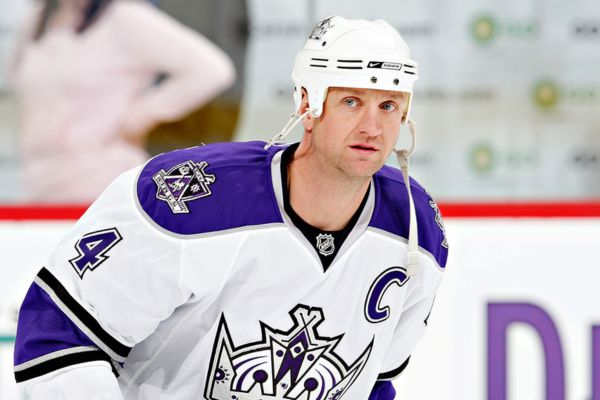
Table of Contents
ToggleIntroduction
When people speak about dominant defencemen in modern ice hockey, the name rob blake is never far from the conversation. Strong, composed and fiercely competitive, he built a career that stretched over two decades at the highest level of the sport. From thunderous slapshots to calm leadership under pressure, Blake became one of the most respected figures in the National Hockey League (NHL).
His journey was not just about personal success. It was about influence, resilience and leaving a lasting mark on every team he represented. Whether with the Los Angeles Kings or the Colorado Avalanche, Rob Blake shaped games and inspired teammates through both action and attitude.
Early Life and Path to Professional Hockey
Growing Up in Canada
Rob Blake was born in Simcoe, Ontario, Canada, a country where hockey is deeply woven into everyday life. From a young age, he showed natural ability and a strong physical presence. Like many Canadian children, he grew up skating outdoors and dreaming of playing in the NHL.
However, unlike some players who take a direct route to the professional level, Blake’s development required patience and steady improvement.
Collegiate Development
Before entering the NHL, Blake played university hockey at Bowling Green State University in the United States. His time there allowed him to refine his defensive awareness and build the physical strength that would later define his playing style.
University hockey helped him mature both mentally and physically. By the time he entered the professional ranks, he was not just talented, but disciplined and tactically aware.
NHL Beginnings with the Los Angeles Kings
Draft and Early Seasons
Rob Blake was selected by the Los Angeles Kings in the 1988 NHL Entry Draft. His early seasons required adjustment, but his growth was steady.
He was not flashy in the beginning. Instead, he focused on defensive structure, positioning and smart decision-making. Over time, his offensive contributions began to rise, particularly through his powerful slapshot from the blue line.
Becoming a Franchise Leader
By the mid-1990s, rob blake had evolved into one of the league’s top defencemen. He combined physical strength with intelligent play. Standing at 6 feet 4 inches, he used his size effectively but never relied solely on aggression.
He eventually became captain of the Kings, a role that reflected the respect he had earned in the dressing room. Leadership for Blake was not loud or theatrical. It was consistent and example-driven.
Peak Performance and Individual Honours
Norris Trophy Recognition
In 1998, Blake won the James Norris Memorial Trophy, awarded to the NHL’s best defenceman. This honour confirmed what many already believed — he was among the elite in his position.
Winning the Norris Trophy is not about scoring alone. It recognises complete defensive excellence. Blake’s ability to defend top forwards while contributing offensively set him apart from many of his peers.
Offensive and Defensive Balance
Rob Blake was known for balance. Some defencemen specialise in shutting down attacks, while others focus on scoring. Blake managed both.
His slapshot was feared by goaltenders across the league. At the same time, he was trusted in high-pressure defensive situations. Coaches relied on him in crucial moments, whether protecting a lead or driving forward for a goal.
Trade to the Colorado Avalanche and Stanley Cup Glory
A Major Career Turning Point
In 2001, Blake was traded to the Colorado Avalanche. Trades can be unsettling for players, particularly when they have spent years with one franchise. However, this move would lead to one of the most significant achievements of his career.
Winning the Stanley Cup
That same season, the Avalanche won the Stanley Cup. For any hockey player, lifting the Stanley Cup represents the pinnacle of success.
Blake played an important role in that championship run. His experience, defensive stability and powerful shot contributed to Colorado’s dominance. Winning the Cup solidified his legacy as not only an individual star but also a team champion.
International Success with Canada
Olympic Gold and Global Impact
Rob Blake also represented Canada at international level. One of the most memorable moments came at the 2002 Winter Olympics in Salt Lake City. Canada captured the gold medal in men’s ice hockey, ending a 50-year Olympic drought.
Playing for one’s country carries a different kind of pressure. Blake handled it with the same calm authority he displayed in the NHL.
The Triple Gold Club
Because he won a Stanley Cup, an Olympic gold medal and a World Championship gold medal, Blake joined the prestigious Triple Gold Club. Only a select group of players achieve this rare combination.
This accomplishment highlights his versatility and consistency across different competitions and playing styles.
Later Career and Return to Los Angeles
Leadership in His Final Seasons
After his time in Colorado, Blake eventually returned to the Los Angeles Kings. Returning to a former club can bring emotional significance, and for Blake, it was a fitting conclusion to his playing career.
Even in his later seasons, he remained reliable. While age inevitably reduced his speed, his experience compensated. He understood the game deeply and positioned himself intelligently.
Retirement from Professional Hockey
Rob Blake retired from playing in 2010. By that time, he had played over 1,200 NHL games and accumulated hundreds of points as a defenceman. His longevity in such a physically demanding sport demonstrated remarkable durability.
Transition into Management
Executive Role with the Kings
Retirement did not mark the end of Blake’s involvement in hockey. He later took on an executive role with the Los Angeles Kings and eventually became General Manager.
The transition from player to executive requires a different skill set. Instead of making plays on the ice, Blake now shaped the future of the franchise through drafting, trades and contract decisions.
Rebuilding Challenges
Managing an NHL team is complex. Decisions are scrutinised by fans, media and analysts. Blake faced the challenge of rebuilding the Kings after their championship era earlier in the decade.
While not every decision satisfied supporters, he remained steady and strategic. Leadership in management demands patience, and Blake approached it with professionalism.
Playing Style and Legacy
Physical Yet Intelligent
Rob Blake was often described as a classic power defenceman. He delivered strong body checks and controlled the defensive zone with authority. Yet he was never reckless.
His intelligence separated him from purely physical players. He read plays early and anticipated opponents’ movements.
Influence on Modern Defencemen
Today’s NHL increasingly values defencemen who can contribute offensively while maintaining defensive reliability. Blake was doing exactly that long before it became the norm.
Younger players often study past greats, and Blake’s style provides a blueprint for balance and consistency.
Hall of Fame Recognition
In 2014, Rob Blake was inducted into the Hockey Hall of Fame. Induction is the ultimate recognition of a player’s contribution to the sport.
This honour confirmed his place among hockey’s legends. It acknowledged not just statistics, but impact and respect within the game.
Why Rob Blake Still Matters Today
Even years after retirement, discussions about great NHL defencemen frequently include rob blake. His career combined durability, skill and leadership in a way that few achieve.
He represented professionalism at every stage — as a developing player, as a captain, as a champion and as an executive.
For fans of the Los Angeles Kings, he remains a defining figure in franchise history. For followers of the Colorado Avalanche, he is remembered as a key piece of a championship team.
Conclusion
Rob blake’s career stands as a testament to hard work, adaptability and competitive excellence. From his early days in Ontario to lifting the Stanley Cup and representing Canada on the Olympic stage, he built a legacy grounded in substance rather than spectacle.
His story is not merely about trophies and statistics. It is about consistency, leadership and the quiet strength that defines true sporting greatness.
In the history of NHL hockey, Rob Blake’s name will continue to symbolise what it means to be a complete defenceman — powerful, intelligent and relentlessly committed to the game.