Alfred Hitchcock: The Master of Suspense and His Enduring Legacy
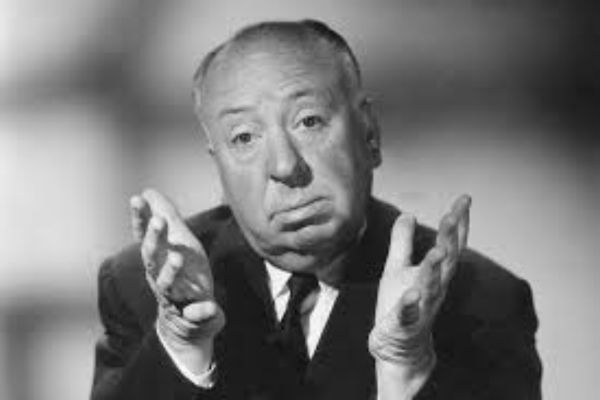
When it comes to suspense, tension, and psychological thrillers, few names carry as much weight as alfred hitchcock. Known as the “Master of Suspense,” Hitchcock transformed filmmaking in the 20th century, blending innovative storytelling, cinematic technique, and a keen understanding of human psychology. His work not only defined an era of cinema but continues to influence filmmakers, TV creators, and audiences worldwide.
This article explores Alfred Hitchcock’s life, career, iconic films, television ventures, creative style, controversies, and his lasting impact on the entertainment world.
Early Life and Beginnings
Childhood and Upbringing
Alfred Joseph Hitchcock was born on 13 August 1899 in Leytonstone, London, England. Growing up in a strict Catholic household, Hitchcock was deeply affected by his father’s authoritarian nature and his mother’s more nurturing presence. These early experiences influenced his later themes, particularly those exploring authority, guilt, and morality.
As a child, Hitchcock developed an interest in visual storytelling. He was fascinated by shadows, lighting, and the way objects could create mood. These interests would eventually shape his signature cinematic style.
Entry into Film
Hitchcock’s first professional work in film came in the early 1920s when he joined Famous Players-Lasky, which later became Paramount Pictures’ British branch. He initially worked in set design and title cards, gradually moving into assistant directing. His early exposure to the mechanics of film gave him a strong technical foundation, which he later leveraged to craft precise, suspenseful narratives.
Rise to Fame in Film
Silent Era Success
Hitchcock’s directorial debut came with “The Pleasure Garden” (1925), but it was “The Lodger: A Story of the London Fog” (1927) that earned him recognition. Often considered the first true “Hitchcockian” film, it explored themes of suspicion, paranoia, and the psychological tension of being hunted by an unseen menace. This set the stage for his career-long fascination with the interplay between innocence and guilt.
Hollywood and International Recognition
In 1939, Hitchcock moved to Hollywood, signing with Selznick International Pictures. This move marked the beginning of his American era, where he produced some of his most famous films.
Psycho (1960)
“Psycho” remains one of Hitchcock’s most influential films. The story of Norman Bates and the shocking events at the Bates Motel redefined horror and psychological thrillers. Hitchcock’s innovative techniques — such as the rapid montage in the shower scene and the use of subjective camera angles — created tension that still captivates audiences today.
Rear Window (1954)
In “Rear Window,” Hitchcock explored voyeurism, suspicion, and the human fascination with watching others. The film starred James Stewart as a photographer confined to his apartment who suspects a neighbour of murder. Hitchcock’s mastery of perspective and framing turned a simple premise into an enduring study of suspense and moral ambiguity.
Vertigo (1958)
“Vertigo” delved into obsession, identity, and psychological instability. Starring James Stewart and Kim Novak, the film features innovative techniques such as the “dolly zoom,” creating a visual representation of vertigo. Though initially met with mixed reviews, it has since been hailed as one of the greatest films ever made.
The Birds (1963)
Hitchcock’s “The Birds” portrayed ordinary birds turning violent without explanation. The film combined suspense, horror, and social commentary. His use of tension, camera work, and editing created a palpable sense of dread, demonstrating his ability to manipulate audience emotions without relying on traditional horror conventions.
Alfred Hitchcock on Television
Alfred Hitchcock Presents
Hitchcock’s influence extended beyond cinema into television. “Alfred Hitchcock Presents” (1955–1965) was an anthology series showcasing crime, mystery, and suspense stories. Hitchcock hosted each episode, delivering his trademark dry humour and ironic commentary.
The series featured standalone episodes with surprising endings, moral dilemmas, and psychological tension. Some of the most memorable stories included “Lamb to the Slaughter” and “Man from the South”, which showcased Hitchcock’s ability to blend suspense with dark humour.
The Alfred Hitchcock Hour
Following the success of the half-hour series, Hitchcock expanded into “The Alfred Hitchcock Hour” (1962–1965), featuring longer, more complex episodes. This allowed for deeper character development and more intricate plotlines while maintaining the signature suspenseful style.
Signature Style and Techniques
Suspense vs Surprise
Hitchcock famously distinguished between suspense and surprise. He explained it as: if the audience knows a bomb is under the table, tension arises while waiting for it to explode — suspense. If the bomb suddenly explodes without warning — surprise. Hitchcock preferred suspense, building anticipation and emotional engagement over shock value.
Visual Storytelling
Hitchcock’s mastery of camera angles, lighting, and set design allowed him to convey narrative and emotion visually. His use of shadows, reflections, and point-of-view shots created immersive experiences, drawing viewers into the psychological world of his characters.
Obsession with Ordinary Settings
Many Hitchcock films take place in ordinary, everyday locations — apartments, hotels, suburbs — making the terror relatable. By injecting suspense into familiar spaces, he heightened the audience’s sense of unease and identification with the characters.
Controversies and Criticism
Allegations from Actors
Some actors, including Tippi Hedren, publicly described uncomfortable experiences working with Hitchcock, citing his controlling behaviour and obsession with his female leads. While these accounts have sparked debates about his personal conduct, they also highlight the complex relationship between creative genius and ethical responsibility.
Myths and Legends
Hitchcock’s fascination with voyeurism and psychological tension led to myths, such as whether he engaged in voyeuristic practices like his characters. While exaggerated in popular culture, these stories underscore the pervasive influence of his work on perceptions of cinema and morality.
Legacy and Influence
Influence on Filmmakers
Hitchcock’s techniques have influenced generations of directors, from Brian De Palma and Steven Spielberg to modern suspense and horror filmmakers. His innovative use of camera movement, narrative structure, and psychological insight continues to serve as a model for cinematic storytelling.
Cultural Impact
Films like Psycho, Rear Window, and Vertigo are regularly cited in academic studies, film festivals, and popular culture. His ability to blend suspense, dark humour, and human psychology made his work universally compelling.
Awards and Recognition
Despite mixed reactions to some films during his career, Hitchcock received numerous accolades, including the Irving G. Thalberg Memorial Award in 1968. Today, he is considered one of the most important filmmakers in history, and his influence pervades modern cinema and television.
Personal Life
Alfred Hitchcock married Alma Reville, who was also a skilled filmmaker and editor. She contributed significantly to his work behind the scenes. Hitchcock was known for his meticulous planning, storyboarding every scene, and supervising each aspect of production.
He passed away on 29 April 1980 in Los Angeles, leaving behind a legacy unmatched in suspense cinema.
Conclusion
Alfred Hitchcock’s genius lies in his ability to manipulate fear, tension, and human psychology. Through cinema and television, he taught audiences to expect the unexpected, to empathise with flawed characters, and to see ordinary settings as extraordinary stages for suspense.
His work continues to inspire filmmakers, students, and viewers worldwide, proving that mastery of suspense and visual storytelling transcends time. From Psycho to Alfred Hitchcock Presents, Hitchcock remains the definitive voice of suspense, a filmmaker whose influence will endure for generations.