Wall Street: The Global Financial Powerhouse Shaping Modern Economies
Introduction to Wall Street
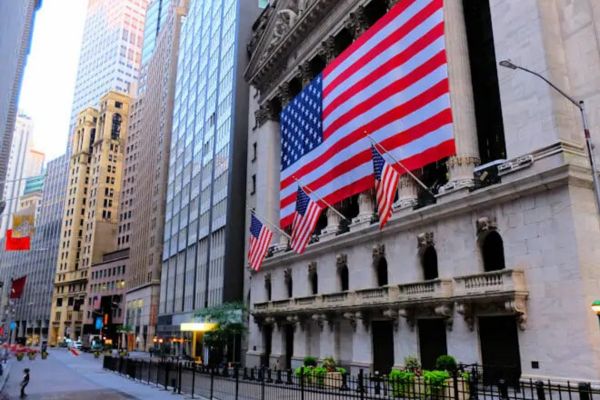
Wall Street is one of the most recognised names in the world of finance. Located in Lower Manhattan, New York City, it represents far more than a physical street. Over time, it has become a powerful symbol of global capitalism, investment, and economic influence. When people refer to Wall Street, they are often talking about the entire American financial system, including stock markets, investment banks, and financial institutions.
Its influence stretches far beyond the United States. Decisions and movements connected to Wall Street can affect global markets, businesses, and even the daily lives of ordinary people. Understanding Wall Street means understanding a key force behind modern economic systems.
Historical Origins of Wall Street
The Dutch Colonial Beginning
The name Wall Street dates back to the seventeenth century. Dutch settlers built a defensive wooden wall in what was then New Amsterdam to protect their colony. Although the wall eventually disappeared, the street retained its historic name. Over time, the area transformed from a defensive boundary into a centre of commerce.
Rise as a Financial Centre
By the early nineteenth century, Wall Street had developed into the financial heart of the United States. Merchants and traders gathered there to conduct business, laying the foundation for organised financial markets. The establishment of the New York Stock Exchange strengthened its role as the nation’s primary trading hub.
As trade and industry expanded, banks and brokerage firms concentrated in the area. This clustering of financial institutions accelerated Wall Street’s growth and solidified its reputation as the centre of American finance.
Wall Street and the Global Financial System
A Hub of Financial Institutions
Today, Wall Street is home to some of the most influential financial organisations in the world. Major banks, investment firms, and trading companies operate within or are closely connected to this district. These institutions manage enormous amounts of capital and play a crucial role in funding businesses and governments.
The concentration of expertise and resources makes Wall Street a driving force behind global investment. Market trends originating there often ripple through international economies.
Influence on Global Markets
Financial decisions made on Wall Street can impact currencies, stock markets, and economic policies worldwide. Investors across the globe monitor Wall Street closely, as it often sets the tone for international market behaviour.
The New York Stock Exchange and Trading Activity
Centre of Stock Market Operations
The New York Stock Exchange stands as one of the most significant institutions associated with Wall Street. It is among the largest stock exchanges in the world and serves as a platform where companies raise capital and investors trade shares.
How Trading Works
Trading on Wall Street involves buying and selling financial assets such as stocks and bonds. These transactions help determine company values and influence investment strategies.
Role of Brokers and Traders
Brokers and traders act as intermediaries between buyers and sellers. Their expertise ensures that markets operate efficiently and transparently.
Technological Evolution
Modern trading relies heavily on advanced technology. Electronic systems allow rapid transactions and connect markets globally, making Wall Street more dynamic than ever.
Symbolism and Cultural Significance
Wall Street as a Symbol
Over time, Wall Street has become a symbol of wealth, ambition, and financial power. It represents the pursuit of economic success and the complexities of modern capitalism.
Wall Street Versus Main Street
A common expression contrasts Wall Street with Main Street. While Wall Street symbolises high finance and corporate investment, Main Street represents everyday businesses and consumers. This comparison highlights the relationship between large financial systems and ordinary economic life.
Major Financial Events in Wall Street History
The Crash of 1929
One of the most dramatic events linked to Wall Street was the stock market crash of 1929. This event triggered the Great Depression, causing widespread unemployment and economic hardship. It led to significant reforms in financial regulation.
The Financial Crisis of 2008
Another major crisis occurred in 2008, when failures in the banking and housing sectors shook global markets. The crisis prompted governments to introduce stricter oversight and sparked discussions about responsible financial practices.
Economic Impact on Everyday Life
Influence on Personal Finances
Even people who never visit New York are affected by Wall Street. Retirement savings, investment funds, and pension plans are often tied to financial markets. Changes in market performance can influence household wealth and economic stability.
Business Growth and Employment
Wall Street also supports business development by providing capital to companies. Successful investments can lead to job creation and technological innovation, benefiting society as a whole.
Architecture and Physical Landscape
Iconic Buildings
The Wall Street area features historic and modern architecture. Its buildings reflect the evolution of financial power and urban development. The district combines classic stone facades with contemporary skyscrapers.
Urban Environment
Although the street itself is relatively short, the surrounding Financial District is vibrant and constantly evolving. It includes offices, residential spaces, and cultural landmarks that attract visitors from around the world.
Ethical Debates and Criticism
Concerns About Inequality
Wall Street has often been criticised for contributing to economic inequality. Some argue that excessive risk-taking and profit-driven motives can harm broader society.
Calls for Regulation
These concerns have led to ongoing debates about regulation and accountability. Governments seek to balance economic growth with financial stability and fairness.
Future of Wall Street
Technological Innovation
The future of Wall Street is closely tied to technological advancement. Developments in digital finance, artificial intelligence, and automated trading are reshaping how markets operate.
Global Integration
As economies become increasingly interconnected, Wall Street’s role in global finance is likely to expand. International cooperation and innovation will continue to shape its evolution.
Conclusion
Wall Street remains one of the most powerful forces in the global economy. From its historical origins as a colonial boundary to its present status as a financial powerhouse, it has played a central role in shaping modern markets.
Its influence reaches into nearly every aspect of economic life, affecting businesses, governments, and individuals worldwide. While it faces challenges and criticism, Wall Street continues to drive innovation and investment.
Understanding Wall Street provides valuable insight into how global finance operates. As technology advances and economies evolve, its importance is unlikely to diminish, ensuring that it remains a defining feature of the modern financial landscape